Exploring Concrete's Role in Creating Eco-Friendly Urban Spaces Dec 27, 2025
Concrete has long been a staple in urban development due to its durability and versatility. Yet, it's also been associated with high carbon emissions. The key to transforming this perception lies in innovative techniques that reduce its environmental footprint. One such approach is the use of recycled materials in concrete production. By incorporating industrial byproducts like fly ash or slag into concrete mixes, companies can significantly cut down on the need for cement, one of the most energy-intensive components to produce. This results in a greener product that still maintains the strength and resilience required for urban construction.
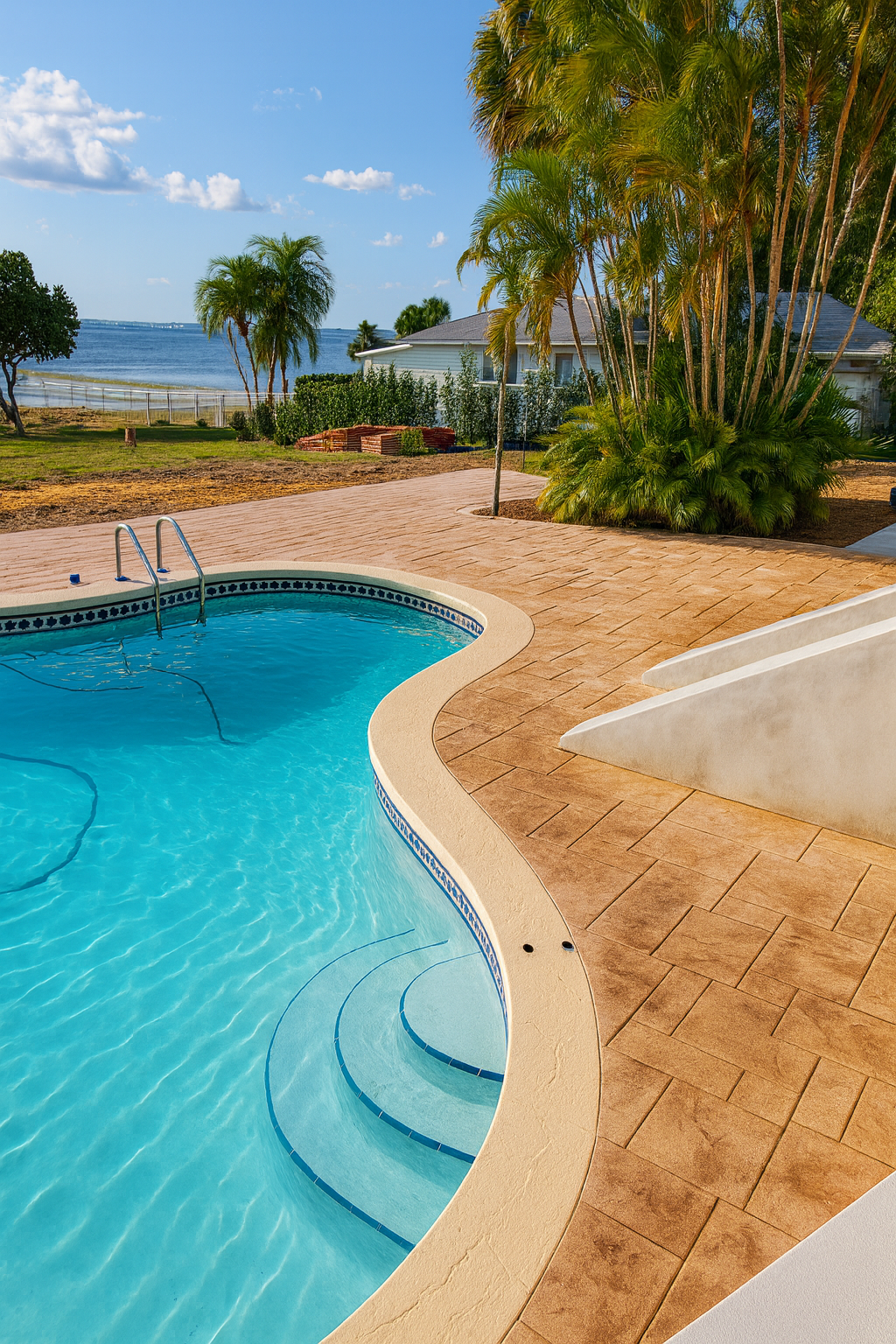
In addition to traditional uses, decorative concrete has become popular in creating aesthetically pleasing urban designs. All Phases Decorative Concrete employs methods that not only enhance the visual appeal of concrete surfaces but also promote sustainability. Stamped and stained concrete requires less maintenance and comes with a longer lifespan, reducing the need for frequent replacements. This durable solution means fewer raw materials are consumed over time, aligning with the principles of eco-friendly development.
Permeable concrete is another innovative solution gaining traction in the quest for sustainable urban spaces. This material is designed to allow water to pass through its surface, reducing runoff and promoting natural groundwater replenishment. In cities where drainage and water management are crucial, permeable concrete offers a practical way to mitigate the effects of heavy rainfall and urban flooding. By facilitating natural water cycles, it helps maintain the ecological balance within urban ecosystems.
Moreover, reflective concrete can be used to combat the urban heat island effect, a common problem in densely populated areas. Traditional dark surfaces absorb significant amounts of heat, contributing to elevated temperatures in city centers. Reflective concrete, on the other hand, has a higher solar reflectance, which means it can reduce surface temperatures and, consequently, lower energy consumption required for cooling buildings. This not only makes urban spaces more comfortable but also decreases the overall carbon footprint of the area.
The future of urban development hinges on sustainable practices that address environmental concerns without compromising on functionality and aesthetics. By utilizing decorative and technologized concrete solutions, companies like All Phases Decorative Concrete are leading the charge in creating urban environments that are both eco-friendly and livable. The journey to greener cities is a collaborative effort that requires the cooperation of developers, architects, and material suppliers, all working together toward a shared goal.
In conclusion, the role of concrete in building sustainable urban spaces is far from obsolete. With advancements in material technology and innovative design practices, concrete is evolving into a pivotal component of eco-friendly construction. Embracing these innovations not only benefits the environment but also broadens the potential of urban design. As awareness and demand for sustainable practices continue to grow, concrete will undoubtedly play a significant role in shaping the cities of tomorrow.
/filters:no_upscale()/filters:format(webp)/media/f72983cb-6258-41ce-b27f-3af3fbbd4934.jpeg)
/filters:no_upscale()/filters:format(webp)/media/e23e57a6-3fb0-4418-a6b7-a6ae600f3e78.jpeg)